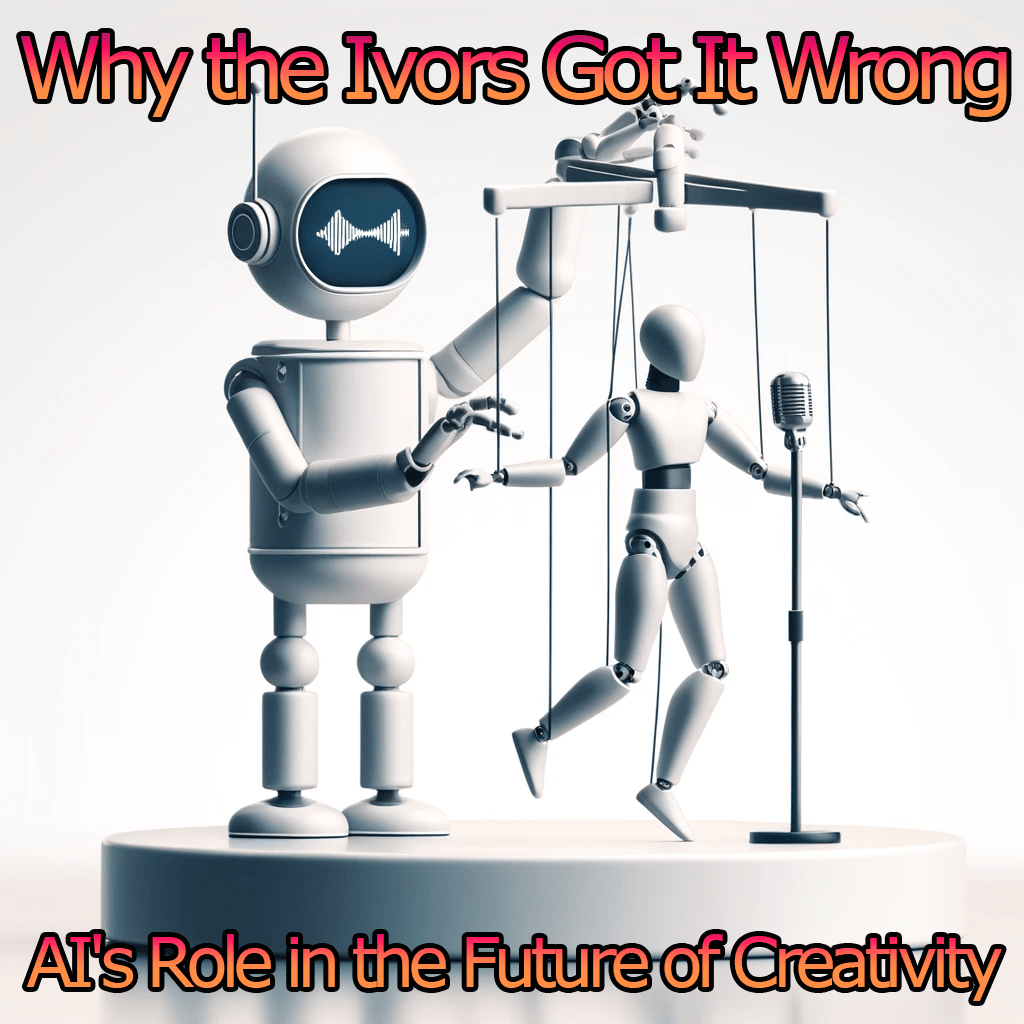
I’m not one for awards shows; in fact, I hate them. Self-congratulatory, egomaniacal bollocks. I generally pay no attention to any of those shows unless someone gets bitch-slapped or something.
However, the recent Ivor Novello Awards caught my attention because many attendees discussed AI. And despite their protestation to the contrary, they were all clearly shitting themselves about it.
The AI Debate at the Ivors
Apparently, the awards are known as the Ivors and honour the craft of songwriting. Because of this, many of the artists were on the defensive when the topic of AI was raised—focussing on what AI can’t possibly achieve and, in doing so, completely missing the point.
KT Tunstall, for example, said, “We recognise as a fellow human being that they’re talking about something we’ve gone through and something we understand. And a robot’s never going to do that.”
It’s hard to know where to start with this, but here goes…
How Much Do People Pay Attention to Lyrics Anyway?
I think that these songwriters are just a bit too invested in their own craft. I don’t think normal folk actually give a shit about lyrics too much.
I mean, personally, I love loads of songs and always have music playing at home… but I don’t love them because they explain a situation that I’ve been through. I like them because of how they sound. I rarely even pay any attention to the lyrics.
One my all time favourites is Africa by Toto… and I have no idea what it’s even about.
Do You Even Need Life Experience to Write Great Lyrics?
Ok that aside, and assuming that people do appreciate lyrics more than me, I still don’t think what KT said is correct.
Lets take AI out of this for a minute, and just consider how much you really need to have gone through to write great songs.
The Beatles are undoubtedly one of the most successful, loved, and respected bands of all time. They also wrote the vast majority of their own songs. The Beatles broke up in 1970. At the time, Paul and George were 27, and John and Ringo were 29.
Granted, they’d lived a hell of a life after getting famous, but they were still incredibly young and inexperienced.
And then, did their songwriting skills get better as they got more experience? Were their post-Beatles songs as good? Not necessarily.
Successful Songs Need Broad Appeal
Successful songs are, by definition, ones that appeal to many people. They resonate because they speak to broad experiences, not esoteric and individual happenstance.
That’s why young people can still write great songs. They don’t need to have lived experience; they just need a reasonable knowledge of the human condition, which can be found everywhere in literature.
In fact, everything a human has ever written, by nature, captures some essence of this in some way. And AI has access to more literature than any human has ever had.
Ok, so that’s the experience myth debunked… But what about the AI element of KT’s statement?
These Musicians Are Missing The Point of AI
To reiterate, KT stated, “We recognise as a fellow human being that they’re talking about something we’ve gone through and something we understand. And a robot’s never going to do that.”
This begs the question, does she even understand what AI is?
I really don’t think she does. Like many people, she seems to misunderstand the nature of AI, imagining some sort of autonomous entity, creating and releasing music of its own volition.
The reality of AI is a lot less fanciful. It is simply a tool that people use to enhance and accelerate their processes.
Of course, robots won’t have gone through things or understand experiences. But the human being interacting with the AI will be able to explain the song it wants the AI to create, and what experiences to base it on.
Great Songs Are Way More Than Lyrics
The truth is, you don’t need a lifetime of experience to write great songs. You need an understanding of how words and melodies work together, the help of a great producer, and the right marketing.
Great songs often come down to the chemistry between lyrics and melody. It’s about crafting catchy hooks, memorable choruses, and verses that resonate. They don’t have to be deeply insightful or poetic masterpieces.
A great producer can transform a good song into a hit. Producers understand how to arrange music, enhance vocal performances, and create a polished final product. Many legendary songs owe as much to their producers as to the artists who wrote them.
Even the best song can go unnoticed without the right marketing. In today’s music industry, visibility is key. Strategic marketing can propel a song to success, regardless of the artist’s background or personal experiences.
AI in Music: A Tool, Not a Threat
You don’t need a wealth of personal experiences to write great songs.
Understanding what resonates with people and how words and melodies work together, coupled with the expertise of a great producer and effective marketing, can lead to success in songwriting.
Why should AI not be involved in this? It can easily master the technical aspects of music creation.
AI can analyse patterns in successful songs and assist in creating new ones. In fact, it excels in understanding and replicating successful song structures and trends.
With great prompts, a great producer and a great marketing team, AI-assisted music can compete with human-only songs.
The Broader Misunderstanding of AI
This debate highlights a broader misunderstanding of AI, not just in music but in across the board.
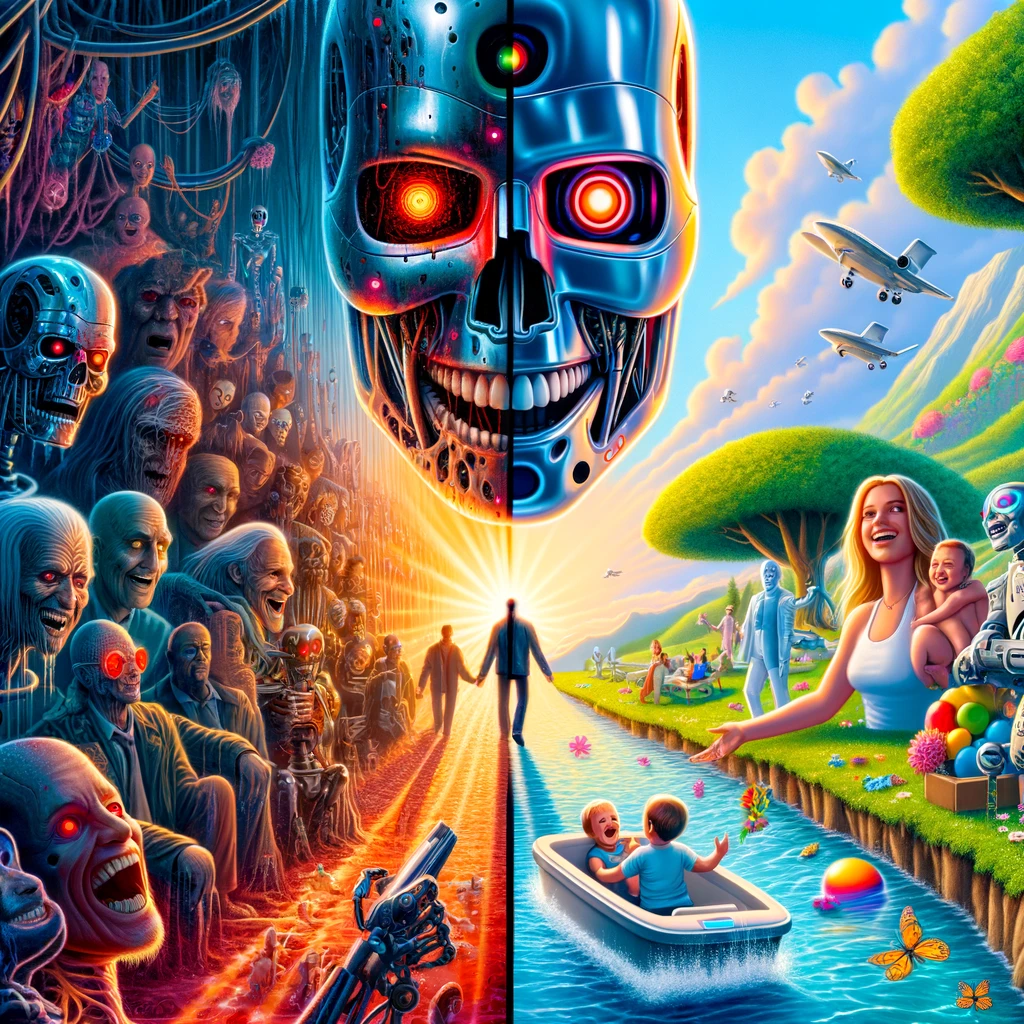
There is a great deal of fear around AI, especially among creatives. I go into this in more detail in my post, Fiction v Reality: Should We Fear AI?
The fact is, A lot of people just do not understand that generative AI is a tool. It is designed to assist and enhance human creativity and productivity, not replace it.
Hopefully, as technology continues to evolve, more people will start to understand AI’s true role and potential.

 Real World AI
Leave a comment